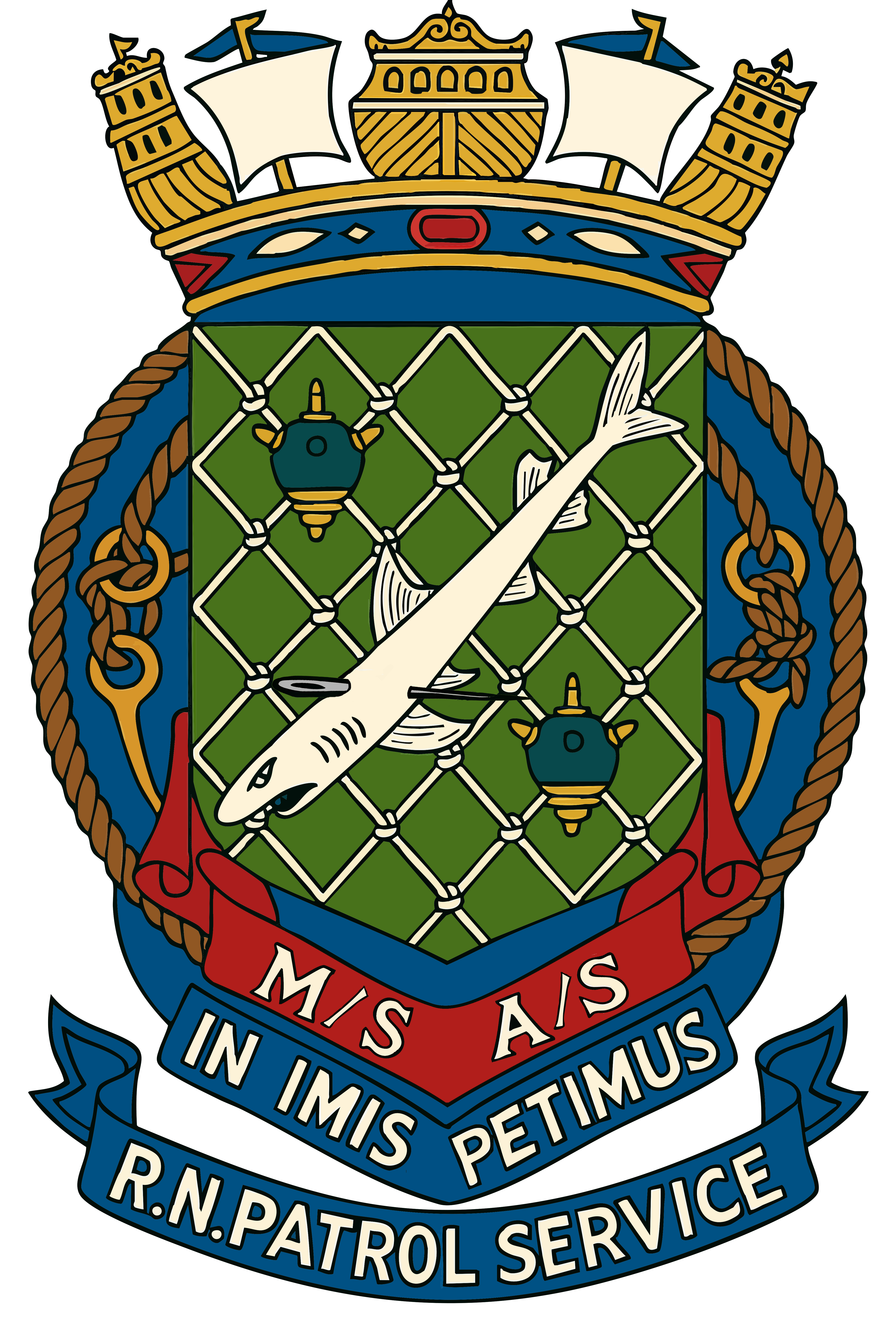
In the summer of 1939, as war in Europe became inevitable, Sparrow’s Nest in Lowestoft was turned into the Central Depot of what became the Royal Naval Patrol Service (RNPS). Perched at the most easterly point of Great Britain, the depot was originally known as “Pembroke X” before being commissioned as HMS Europa.
The Royal Navy had already seen in the First World War how effective small vessels could be for minesweeping and other coastal duties. Many fishermen and seafarers from the peace-time trawler fleets were encouraged to join the Royal Naval Reserve, and when war came, these men and their vessels formed the backbone of the new Patrol Service.
From HMS Europa the Admiralty administered an enormous flotilla of small ships – trawlers, drifters, whalers, Motor Fishing Vessels (MFVs), Motor Launches (MLs), Motor Minesweepers (MMS or “Mickey Mouses”), American-built British Yard Minesweepers (BYMS) and many requisitioned craft. At its height more than 70,000 officers and ratings and about 6,000 vessels were on the strength of the RNPS.
Lowestoft itself became heavily naval. Alongside HMS Europa there were several other bases: HMS Martello (Auxiliary Patrol and Minesweeping), HMS Minos (port, harbour defence and local craft), HMS Mantis (Coastal Forces) and HMS Myloden (landing craft training for Royal Marines and Combined Operations). The focus here, however, remains on HMS Europa and the Patrol Service it supported.
RNPS crews sailed in every theatre of war: keeping coastal convoys moving around the British Isles, escorting shipping in the Atlantic and Arctic routes, and serving in the Mediterranean and Far East. Their daily work was to clear minefields and hunt submarines, often in exposed conditions and under constant threat.
The danger of this work was recognised with a distinctive silver badge awarded to minesweeping and anti-submarine crews who had completed the required time at sea. Over 850 gallantry awards and more than 200 Mentions in Despatches were made to RNPS personnel, including the award of the Victoria Cross to Lieutenant Stannard of HMT Arab during the Norwegian campaign.
In the early years many in the Patrol Service were Royal Naval Reservists drawn from the fishing fleets, and this gave the RNPS a character of its own – sometimes described as “a Navy within a Navy”, with nicknames such as “Harry Tate’s Navy” and “Churchill’s Pirates”. Men who had once worked together in peace now faced wartime dangers side by side, forging a strong camaraderie that endured throughout the conflict.
That same sense of comradeship has carried forward into the post-war era. The Royal Naval Patrol Service Association exists to maintain the bond between those who served, to remember those who did not return, and to help future generations understand the contribution made by these small ships and their crews.